

Home » The Evolution of Injection Moulding Technology in India: Trends, Challenges & Future Outlook
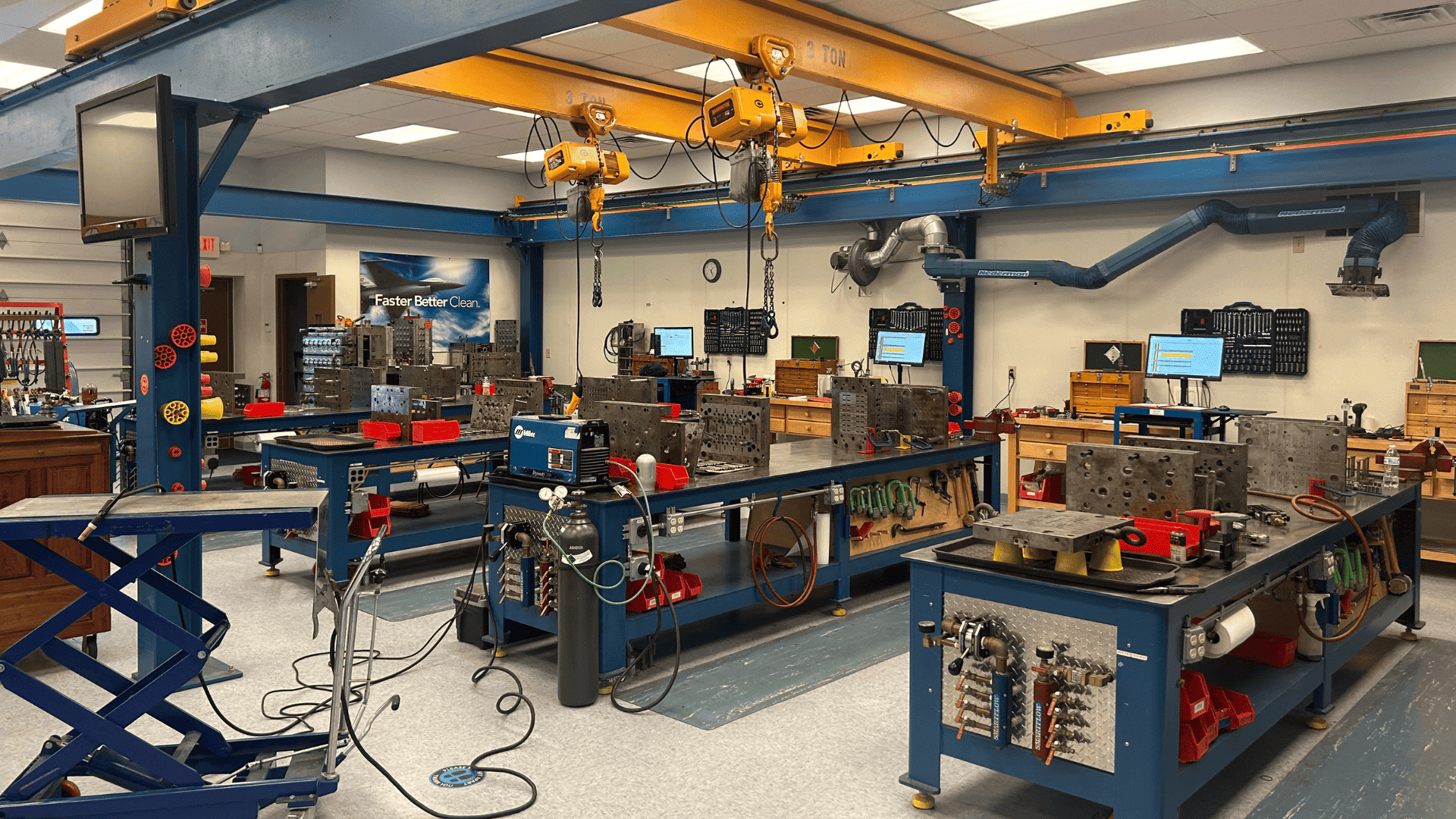
The injection moulding industry in India has undergone a massive transformation over the past two decades. With rapid industrialisation, advanced tooling capabilities, and global export demand, India has emerged as one of the fastest-growing hubs for mould manufacturing. From basic single-cavity moulds to complex multi-cavity, high-speed, and micro-precision moulds, the industry is now aligned with global standards.
The rise of precision mould manufacturers in India is driven by several key factors:
Today, Indian mould makers deliver tools with international-level repeatability, long service life, and consistent performance, while maintaining a strong cost advantage.
Modern mould manufacturing has evolved with a strong focus on:
These technological advancements significantly reduce cycle time, enhance part quality, and extend tool life—critical advantages for high-volume manufacturers.
Despite strong progress, the Indian mould-making industry continues to face several challenges:
The industry faces challenges such as dependence on imported high-grade steel, limited adoption of high-speed automation in smaller shops, scarcity of advanced metrology and inspection systems, and the ongoing need for skill development in design and machining.
The future outlook remains highly positive. With increased investment in automation, robotics, and Industry 4.0 technologies, India is well positioned to emerge as a global hub for high-precision mould manufacturing.